Industry Data
Hourly Energy Analytics
Real-time grid & forecasting
Hourly Energy Generated
All
Show Top 10 Gencos
Loading data...
Grid Energy Analytics
DISCO Load Profile - (NISO Readings)
All
Loading load profile...
Last updated: —
Share of Available Capacity (%)
Share of Available Capacity (%)
Distribution of available capacity across power plants
Disco Tariff
—
ATCC
—
Billing Efficiency
—
Collection Efficiency
—
Industry Capacity Distribution
Loading data...
Transmission Loss Factor
—
Grid Collapses
—
All Time Peak Generation
5,801 MW
Energy Sent Out by Gencos (2023)
4,044 MWh
Energy Recieved by DisCos (2024)
29,376 GWh
TCN Wheeling Capacity
6,000 MW
Global Energy Trends
World Energy Supply by Continent Yearly
Each continent has its unique energy profile, with varying degrees of reliance on fossil fuels like coal, oil, and natural gas, as well as renewable sources such as wind, solar, hydroelectric, and geothermal power.
World Energy Supply Mix Yearly
Each continent has its unique energy profile, with varying degrees of reliance on fossil fuels like coal, oil, and natural gas, as well as renewable sources such as wind, solar, hydroelectric, and geothermal power.
Africa Energy Supply Total Yearly
In January 2022, the total yearly energy supply in Africa is approximately 950-1,000 million tons of oil equivalent (Mtoe). This energy supply caters to a continent with a rapidly growing population and varied energy needs.
Africa Energy Supply Mix Yearly
Africa's energy supply is diversified, encompassing oil, natural gas, hydroelectric power, solar, wind, and biomass. While some countries rely heavily on fossil fuels like oil and gas, others tap into abundant renewable resources like hydropower, solar, and wind.

Nigeria Energy Supply Yearly
Nigeria's energy supply is primarily derived from oil and gas, contributing significantly to electricity generation and export. The country is investing in renewable sources like solar and hydroelectric power to diversify its energy mix.
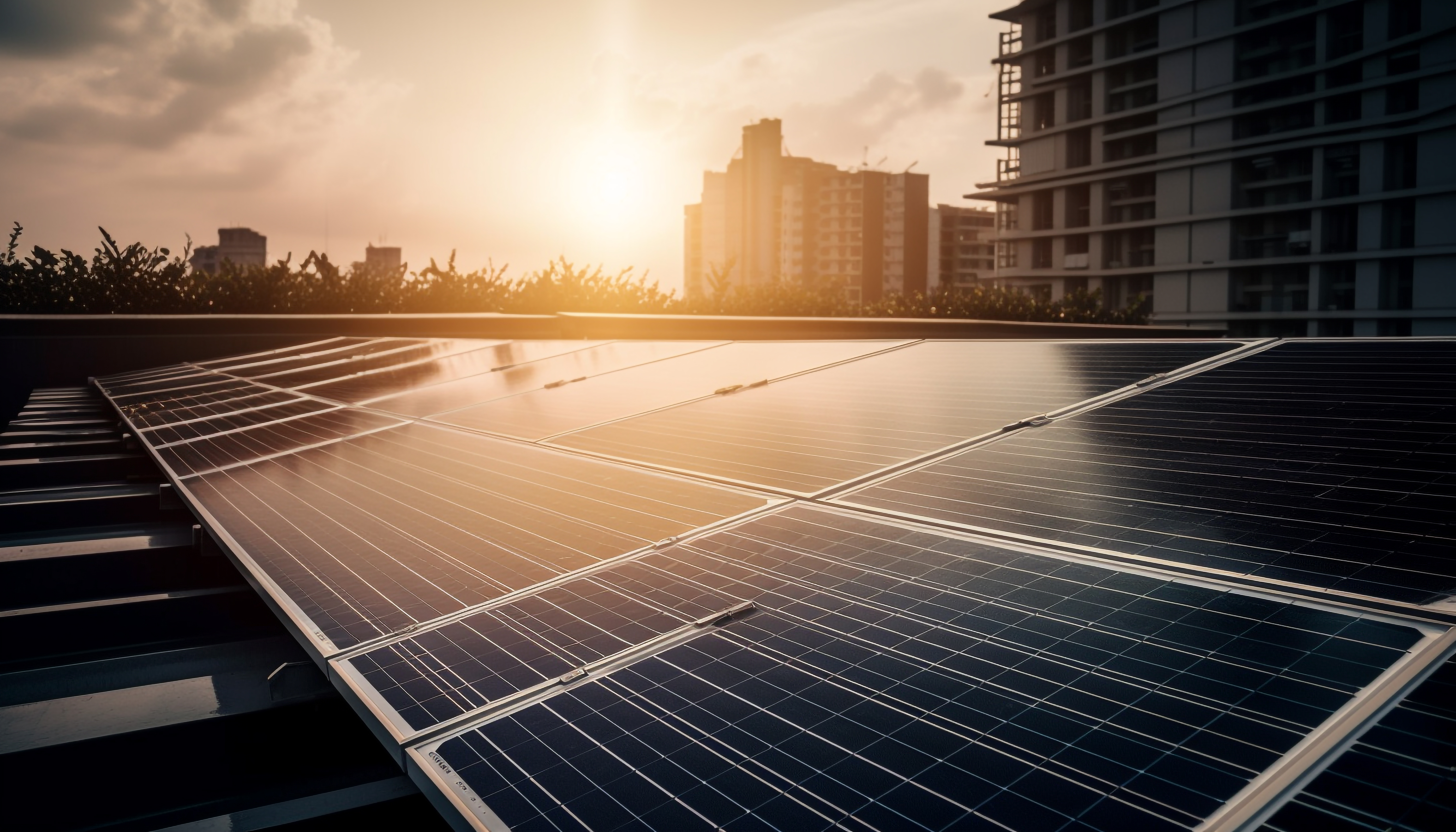
Nigeria Energy Supply Mix Yearly
Nigeria relies primarily on oil and gas for its energy needs, with hydropower and a growing emphasis on solar contributing to the mix. Efforts to diversify and incorporate more renewables aim to improve reliability and address challenges in the country's energy sector, including issues with access and supply reliability.